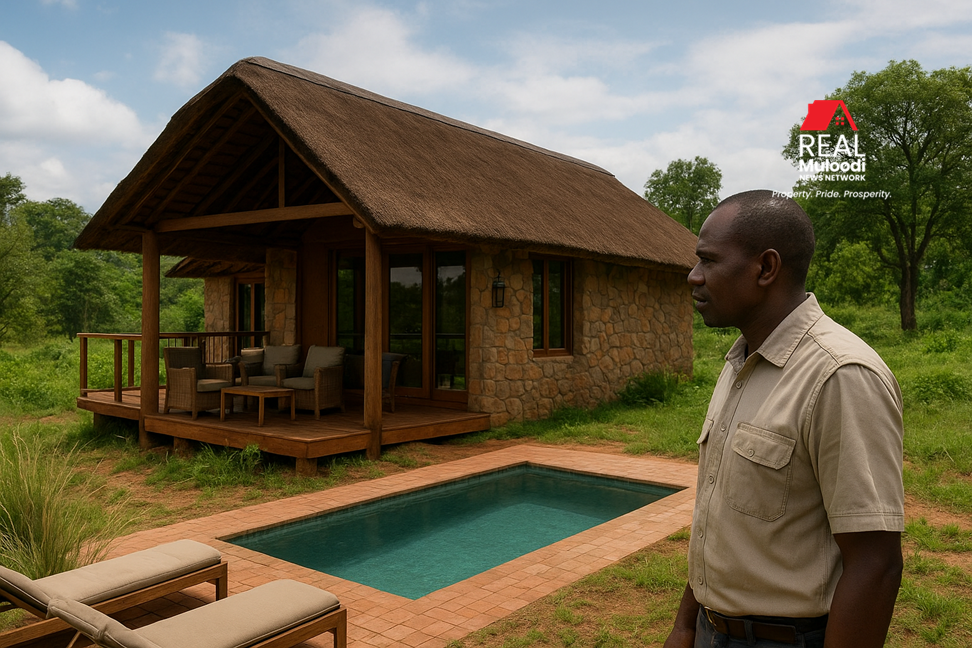
UGANDA, Kampala | Real Muloodi News | Uganda’s tourism industry continues to attract local and international investors eager to build lodges near national parks, lakes, and mountain trails. However, design experts warn that poor planning, misguided construction choices, and misplaced priorities often turn promising projects into costly failures.
According to hospitality consultant Sheila Kogo-Malinga, managing director of Lodge Solutions, many lodges fail not because of poor service but because of fundamental design flaws.
“Most investors think of the rooms and views, but forget the technical, functional, and operational flow that makes a lodge sustainable,” she says.
The result, she adds, is wasted capital, low occupancy, and negative guest experiences.
Trying to Please Every Guest
One of the most common lodge design mistakes is trying to cater to every market segment at once. Some owners attempt to create a hybrid of a luxury getaway, a family resort, a backpacker’s hostel, and a corporate retreat — all on the same property. The result is an identity crisis that confuses guests and ruins the atmosphere.
A lodge meant for nature lovers seeking quiet relaxation, for example, can quickly lose its charm when built next to a noisy bar or event space. Guests expecting serenity complain about noise and lack of privacy, leading to poor reviews and price reductions.
Experts recommend that investors define their target audience early — whether honeymooners, families, or adventure tourists — and design the property to match that profile from the outset.
Technical and Structural Flaws
Another set of lodge design mistakes lies in technical planning. Many lodges are built in scenic but challenging terrains — on hillsides, near lakes, or deep within national parks — where weather, water flow, and soil stability are unpredictable. Poor engineering can lead to cracked walls, leaking roofs, or even collapsing swimming pools.
One investor built an infinity pool on a steep slope near Mount Elgon. Without proper waterproofing or foundation design, the pool began leaking within months, causing structural damage and costly repairs. The lodge had to shut down part of its operations for maintenance, losing revenue during peak tourist season.
Electrical and plumbing systems are also frequent trouble spots. In high-altitude areas such as Bwindi and Kisoro, solar water heaters underperform during long rainy seasons.
Guests who find no hot water are quick to leave negative reviews online. Similarly, kitchens without adequate power capacity often experience frequent outages, forcing staff to serve cold meals or delay service.
Ignoring Back-of-House Operations
While lodge owners often invest heavily in guest-facing spaces — lobbies, rooms, restaurants, and gardens — they sometimes neglect staff facilities and maintenance areas. Yet, as Kogo-Malinga notes, the invisible side of hospitality determines long-term success.
Staff quarters placed too close to guest rooms create noise and disturb privacy. Poorly designed storage areas lead to cluttered walkways or unsightly piles of maintenance tools in guest areas. Even something as simple as where vehicles park can influence guest impressions; cars parked in plain view can destroy the illusion of a natural retreat.
Experts recommend separating guest and staff zones completely, providing clear access routes for service, maintenance, and deliveries that remain hidden from visitors.
Ignoring Local Climate and Environment
Another recurring lodge design mistake involves copying designs from other regions without adapting them to local climate. Imported architectural concepts—such as floor-to-ceiling glass or flat roofs—often fail in tropical conditions. In areas with heavy rainfall, poor drainage and low-quality roofing materials quickly deteriorate.
Lodges near wetlands or lakesides must also account for humidity, mosquitoes, and erosion. Without proper site analysis, what begins as a dream location can turn into a maintenance nightmare.
Poor Investment in Functionality
Many investors allocate most of their budgets to visible finishes—luxury décor, imported tiles, or grand furniture—while cutting costs on essential systems such as water treatment, solar backup, or waste management. These oversights not only hurt operations but can also attract regulatory penalties.
A sustainable lodge, experts say, balances aesthetics with engineering. Smart plumbing, energy-efficient lighting, and durable materials reduce operational costs and environmental impact over time.
What to Do Instead
To avoid lodge design mistakes, hospitality experts recommend a step-by-step approach. Start with a feasibility study to define your target market and location suitability. Engage architects and engineers experienced in tourism design, not just residential projects. Involve technical teams early to ensure proper drainage, electrical layout, and waste systems are included in blueprints.
Invest in staff housing, storage, and service lanes before decorating guest rooms. These invisible systems determine how efficiently your lodge runs once operational.
Finally, design with flexibility. Uganda’s tourism trends shift quickly — from high-end eco-tourism to family-friendly safaris — and lodges that can adapt spaces without major reconstruction enjoy longer life cycles and better returns.
In Uganda’s booming hospitality industry, design can make or break a lodge business. The most successful operators invest in research, professional expertise, and long-term functionality rather than rushing to open.
As Kogo-Malinga notes, “A beautiful lodge may attract guests once. But a well-designed lodge brings them back.”
READ MORE LIKE THIS:
Pearl Tower One: Sudhir Unveils Kampala’s Most Ambitious Development Yet