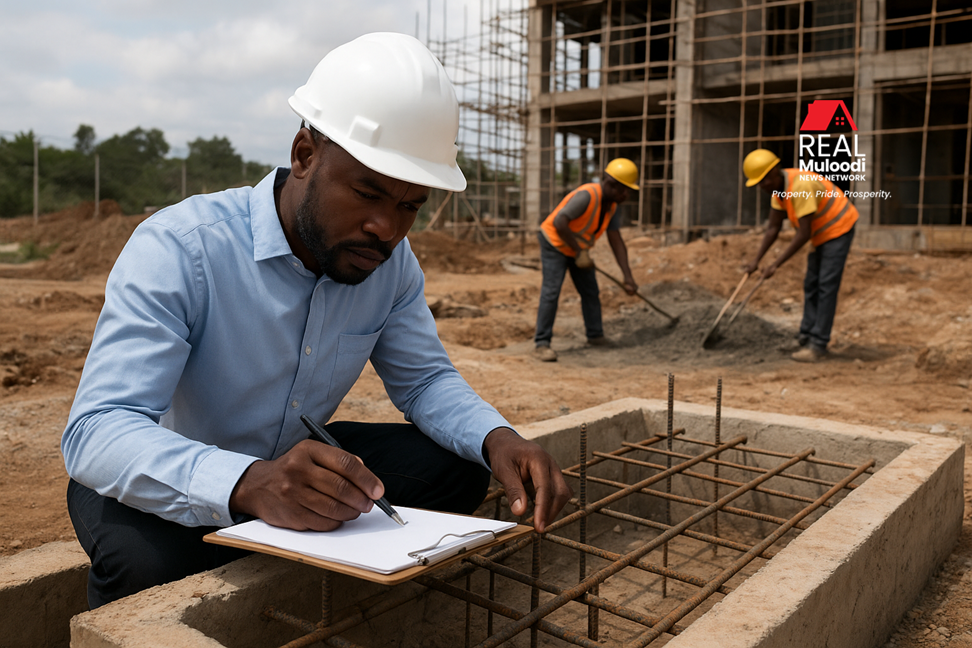
UGANDA, Kampala | Real Muloodi News | As Uganda’s demand for housing continues to grow, construction experts are urging developers and homeowners to embrace sound construction practices Uganda to avoid structural defects, unnecessary repair expenses, and long-term safety risks.
With thousands of homes and commercial buildings going up each year, professionals say the country is experiencing a wave of construction shortcuts that often lead to early deterioration.
Builders report that many Ugandans, eager to complete their houses quickly, rush the process and overlook critical quality checks. According to structural engineers, the consequences are predictable: damp walls, cracked floors, peeling paint, mold infestations, and in severe cases, compromised foundations.
“Ugandans love to build,” said civil engineer Isaac Mbabazi. “But many want to move in fast. When you rush, you sacrifice the science behind a strong, durable building.”
Why Waterproofing Matters From Day One
One of the most common problems emerging in recently completed buildings is moisture intrusion. Experts stress that proper waterproofing is not optional — it is essential for protecting both the foundation and the walls of any structure. Builders recommend wrapping the foundation slab with a heavy-duty plastic membrane to block ground moisture.
A project manager from a leading construction firm explained the process simply: “Think of it as giving your building a raincoat before it even stands up.”
Waterproof cement should also be applied at least one meter above ground level to prevent moisture from rising through walls. When plastering interior and exterior walls, using waterproof additives strengthens the barrier against rain and groundwater. Technicians emphasize that these steps cost far less than repairing damp walls, fungal growth, or disintegrating plaster a few years later.
Gutter Failures: A Hidden Weak Point in Ugandan Buildings
Another recurring issue in urban homes and apartments is poor rainwater management. Modern flat-roof designs, while stylish, pose challenges if gutters are too small or poorly installed. When gutters overflow, water spills onto parapet walls and seeps into living spaces.
A roofing specialist who has rehabilitated many leaking buildings said: “Uganda’s rains are no joke. If your gutters cannot handle the volume, your ceiling and walls will suffer. A wide gutter is not a luxury. It is a necessity.”
Experts recommend oversized gutters, rust-resistant materials, and proper drainage channels to protect flat-roof structures.
Choosing Professionals Over Guesswork
Construction engineers agree that one of the biggest threats to quality building is the reliance on unqualified persons to guide critical decisions. While experienced masons play an important role, engineers say they cannot replace certified architects or structural engineers.
“People think hiring an engineer is expensive,” said architect Brenda Tukamushaba. “What is expensive is rebuilding a collapsed wall or redoing the foundation because something was done wrongly.”
Experts insist that every building — from a simple bungalow to a multi-level apartment — requires proper structural drawings, site supervision, and strict adherence to design specifications.
Common Mistakes Homeowners Make
Professionals highlight several frequent errors including; starting construction without an approved building plan, using cheap materials instead of recommended brands, ignoring soil tests and building on weak ground, skipping expansion joints in long walls, allowing untrained workers to mix concrete and rushing plastering and roofing without adequate curing time among others are mistakes. While common, these often result in costly repairs within a few years.
The Role of Homebuyers in Ensuring Building Quality
Homebuyers are also encouraged to become more vigilant. With many condominium developments emerging, hundreds of Ugandans are purchasing homes they did not build themselves. Experts advise commissioning independent structural inspections before signing purchase agreements.
“Do not be fooled by a shiny tile,” warned a building inspector with 20 years of experience. “A beautiful finish can hide a sick building.”
Inspectors check for cracks, moisture, weak foundations, inadequate drainage, and other structural red flags that can save buyers from future financial loss.
Why Sound Construction Matters for Generations
Embracing sound construction practices Uganda is not just about preventing leaks or cracks — it is about safeguarding long-term investments. A well-built house lasts for decades. A poorly built one becomes a financial burden. Builders emphasize that durability, safety, and value appreciation all depend on quality workmanship.
As the country moves toward modernized building standards, experts say the message is simple: build wisely, build slowly, and build scientifically.
“A home is a lifetime asset,” Mbabazi added. “When you follow the right construction practices, you are not just building for today — you are building for your children and grandchildren.”
READ MORE LIKE THIS:
Mary Mugoya Helps Buyers Build More Than Homes — She Builds Futures